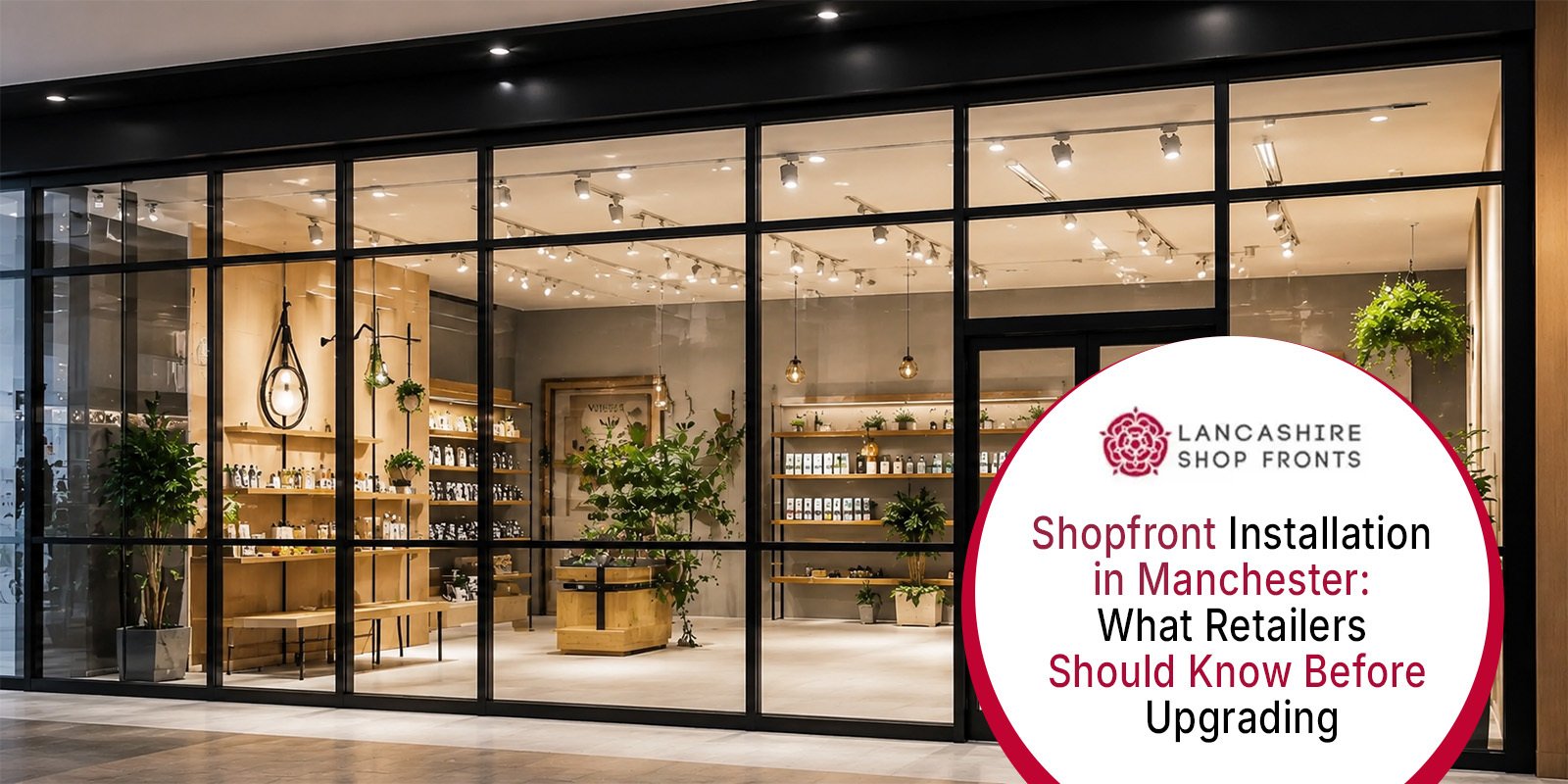
Upgrading a shopfront is one of the most visible commitments a retailer can make to their business. It signals confidence, attracts attention, and, when done properly, delivers returns in footfall and customer perception that far outlast the initial investment. Shopfront installation is also one of those projects where the decisions made before a single panel is ordered matter more than most business owners realise. In Manchester’s fast-evolving retail landscape, getting those decisions right is everything.
Manchester’s Retail Scene Sets Its Own Terms
The city has changed dramatically over the past decade. Manchester’s commercial geography is layered and dynamic in a way that defies a single template.
Shop fronts Manchester businesses commission need to reflect that diversity. A shopfront that would function wonderfully well for a fashion store in Spinningfields would be completely inappropriate for a family-operated hardware store in Chorlton. That is why the installation of shopfronts in Manchester cannot possibly be a mass-produced process; it is a context-dependent activity that requires knowledge of the locality at all times.
When Glass Becomes the Priority
For most retailers approaching a frontage upgrade, the glazing specification is the single most consequential decision they will make. The shop front glass is the aspect that makes the greatest impact on the atmosphere of the place, as it brings more natural light, makes the view from outside better, and adds fresh air to the place that cannot be achieved just through painting.
Toughened safety glass is the baseline for any commercial installation, both a regulatory requirement in most configurations and a practical necessity given the physical demands of a busy retail environment. Laminated glass offers an additional layer of security by holding together when broken rather than collapsing, which is why it is increasingly specified for overnight-vulnerable frontages on ground-floor Manchester premises.
Shop front glass replacement decisions also increasingly incorporate thermal performance. Double-glazed units within thermally broken frames significantly reduce heat loss through the frontage, a consideration that sits high on the agenda for Manchester retailers managing energy costs through the colder months.
The Door: More Decisions Than Most Retailers Expect
Retailers often treat the door as an afterthought within a wider shopfront installation project, and consistently regret it. The aluminium shop front door is the single element of the frontage that every customer physically interacts with, and it is where operational quality becomes most immediately apparent.
Swing, slide, or fold, the configuration choice has implications for customer flow, disabled access compliance under the Equality Act, and how the door interacts with the available pavement width. An aluminium shop front door with a concealed hydraulic closer feel entirely different to one with a visible overhead closer, and customers notice, even when they cannot articulate why.
Manchester’s busy retail streets also mean that hinges, handles, locks, and threshold seals take significant daily punishment. Specifying commercial-grade hardware from the outset, rather than upgrading after premature failure, is always the more economical approach over a five-year horizon.
Planning and Permissions Across Greater Manchester
One aspect of frontage projects that regularly catches retailers off guard is the planning dimension. Greater Manchester’s boroughs, from Manchester City Council to Salford, Trafford, Stockport, and beyond, each administer their own planning frameworks, and conservation area designations cover a significant proportion of the city’s historic commercial streets.
Permitted development rights that allow certain frontage alterations without formal consent do not apply universally. In many of shop fronts Manchester’s most commercially active neighbourhoods, changes to materials, colour, or glazed area require prior approval, and proceeding without it can result in enforcement notices requiring costly reinstatement. A reputable contractor will carry out a planning check as a standard part of the pre-project process, not leave it to the retailer to navigate alone.
The retailers in Manchester certainly have big ambitions, and this is reflected in the quality of their frontages in the city’s commercial streets. This journey of improving starts with the realization that the Manchester businesses have to know the fact that their shop fronts are performing several functions all at once, such as advertising, regulating the lighting and heat, acting as a security measure, and complying with all necessary regulations without attracting any attention of law enforcement. Whether the task involves the replacement of shop front glass to revamp a shopfront or a well-specified aluminium shop front door that can easily deal with the commercial traffic, it will be those retailers that make the right investments in the beginning who will enjoy the benefits later.
Frequently Asked Questions (FAQs)
How long does shopfront installation take for a typical Manchester retail unit?
Most standard single-frontage installations complete within one to two days; projects involving structural modifications or bespoke glazing units may take three to four days, often phased to protect trading hours.
Is shop front glass replacement always required when upgrading a frontage?
Not always, but if existing glazing is below current safety standards, thermally inefficient, or visually dated, replacing it alongside the frame delivers significantly better long-term value than retaining old glass in a new surround.
What makes aluminium the preferred material for shop front doors in Manchester? Aluminium handles Manchester’s weather conditions without warping or swelling, takes powder-coat finishes in any colour, and maintains its structural integrity under the daily wear of busy commercial use far better than timber or uPVC alternatives.
Do all shopfront changes in Manchester require planning permission?
No, but conservation area locations and certain building types do always verify with your local planning authority or ask your installer to carry out a planning check before any work is specified or ordered.
Can an aluminium shopfront door be fitted to an existing frontage without a full replacement?
Yes, door replacement within an existing frame is possible in many cases, though a full survey is needed to confirm compatibility between old framing and new door systems.