


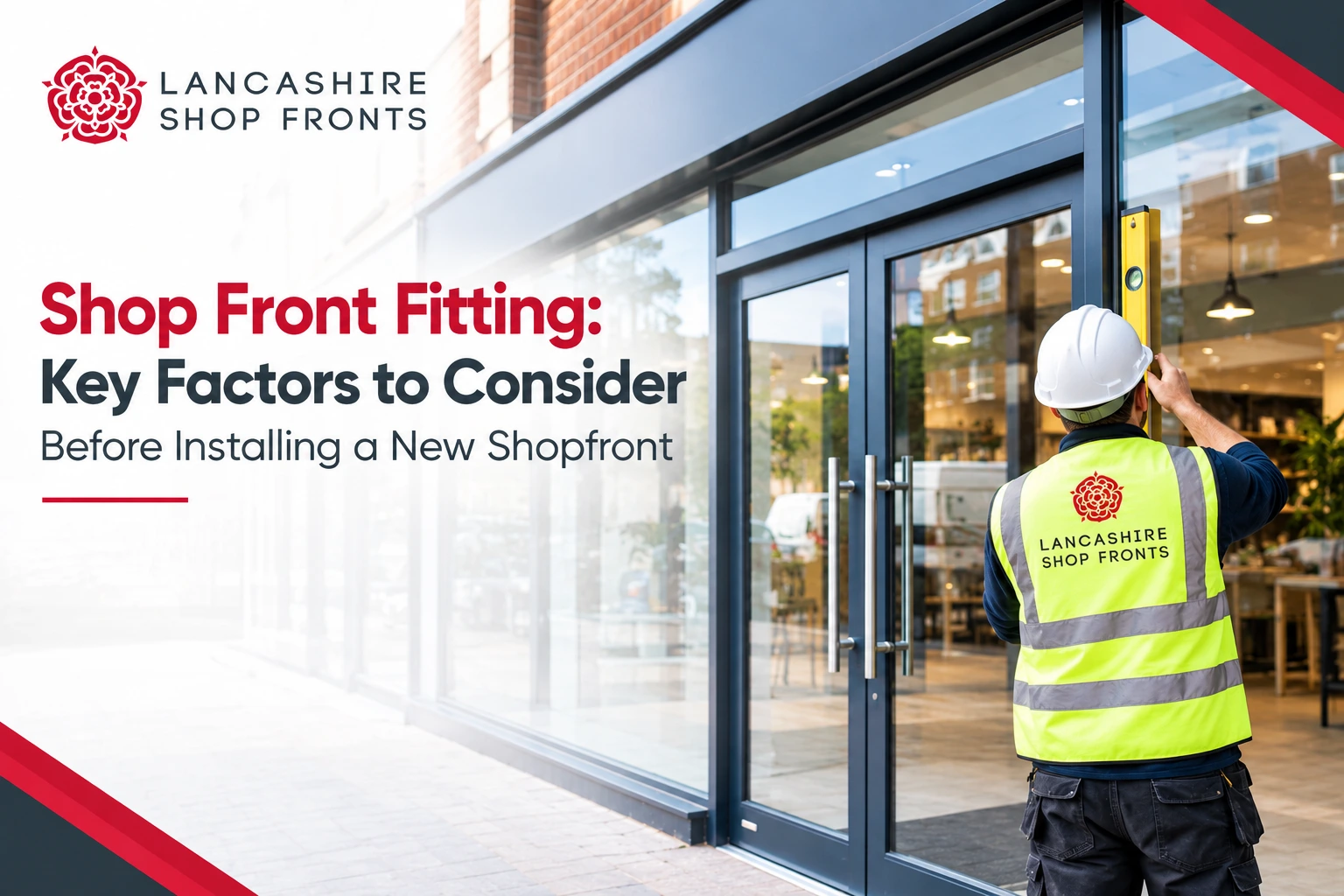
The shop front is usually the first thing that your customer sees before entering the business premises. The shop may be a retail store, showroom, cafe, or any commercial space where customers visit. A good shop front helps to make the business premises look welcoming and present the products in a good manner while providing the security required for protection.
However, installing a new shop front is not only about creating an appealing design. Various considerations should be made when fitting shop fronts. Understanding these considerations before embarking on shop front fitting would help business owners to make sound decisions.
If you are considering fitting out your shop front, here are the various factors that need to be considered.
Why Is Your Shopfront Worth Investing In?
The shopfront in a commercial unit or shopping area marks the entry to a business. It helps create the first impression and play an important role in conveying the brand identity. However, an unattractive shopfront can make it difficult for a business to attract new customers or even sustain the old customers.
Investing in a highly functional shopfront can make a big difference to the overall image of the business. High-quality glass can help promote products and bring light into a shop by utilizing the newly updated shopfront.
Investing in a newly updated shopfront helps in boosting security, replacing broken parts, and improving the functionality of the entrance. However, installing a completely new shopfront is not always necessary. If the existing structure is still in good condition, repairs or refurbishment may be enough to restore its appearance and functionality. Assessing the condition of your current shopfront can help you decide whether a replacement or an upgrade is the most suitable option for your business.
A Few Factors To Consider Before Choosing A New Shop Front Fitting
1. Opt for Designing Your Shop That Is Suitable for Your Business: Each type of business has its own needs, and hence it is necessary for the shop front designing to be appropriate according to the kind of business that you run. For example, a retail store requires larger glass windows to showcase products, while a showroom requires more spacious entry.
While designing your shop front, it is essential to consider the available space, the look of the building, and also customer’s entry into the shop. It is important to have experienced shop front installers who can advise you on the design.
2. Using the right material: The kind of material chosen will determine the quality of your shop front appearance, performance and durability. Aluminium is preferred for its strength, light weight, anti-rusting ability and availability in different colours. Toughened glass is more secure compared to normal glass and suitable for large window displays. Frameless glass gives an open feeling and is easy to maintain. Most shops make use of a combination of aluminium frames and toughened glass as an effective combination. When choosing shop fronts, consult your shop front installers for the best material for your shop front.
3. Consider Security and Safety: Apart from just looking good, your shop front also needs to protect your goods, your employees and your premises. Toughened and laminated glass improves security, and mechanical or electronic locks ensure that the entrance remains safe. Consider using roller shutters for added security when the shop is not in use and ensure there are door closers, safety signs and level thresholds at the entrance. All these security elements can be incorporated into modern shop fronts and should be discussed with your shop front installer before installation. It will be easier and more cost effective to incorporate security during the fitting process of the shop front than later.
4. Get to know how a shop front is installed: Understanding the process will assist you in planning your daily business activities. The typical installation of a shop front starts with an inspection and accurate measurement, after which design approval and quotation follow. After that the frames and glazing are made, the old frontage is taken off, and then the frame, glass and doors are installed and sealed. Effective shopfront installation minimises noise and mess, allowing you to start your business activity in no time.
5. Establish a Reasonable Budget: The cost of shop fronts varies according to the size of the frontage, type of materials used, glass used, doors, and other features such as shutters or lighting among others. Get several quotes from shop front installers in detail to make a comparison. Always have some budget for unexpected things such as repairs of the premises after removing the old frontage. Cheap quotes may not be the best value for your money. A quality shopfront installation will be more economical in the long run.
Conclusion: A new shopfront installation is one of the right choices you can make for your business. The proper design, selection of materials, and reliable shop front installers will ensure the attractiveness, security, and professionalism of your building for a long time to come. Well-planned preparation for shopfront installation and professional fitting protect your investment, so be sure to pick your shop front fitters carefully.
FAQs:
1. What Should I Consider Before Choosing A New Shopfront?
Consider the design, materials, security, accessibility, budget and maintenance requirements before deciding on the right shopfront for your business.
2. Which Materials Are Commonly Used For Shop Fronts?
Aluminium and toughened glass shop fronts are popular choices because they offer durability, a modern appearance and good visibility for product displays.
3. How Do I Choose The Right Shop Front Installers?
Look for experienced shop front installers who can explain the available options, provide a clear quotation and demonstrate experience with similar commercial projects.
Question 4. Why Should I Hire Professional Shop Front Fitters?
Professional shop front fitters can help ensure accurate measurements, secure installation and proper finishing, reducing the risk of avoidable problems.
5. How Can I Maintain My Shopfront After Installation?
Clean the glass and frames regularly, check locks and hinges, and arrange repairs if you notice damaged glazing, loose fittings or problems with the doors.